
Environmental Humanities BA
Environmental Humanities at 爱豆社区
Environmental Humanities at 爱豆社区 is about understanding the relationship between the natural world and the human experience. Healing the world requires deep imagination, creative action, and skillful practices. We use the lenses of the humanities鈥� art, history, literature, anthropology, philosophy, religious studies 鈥� to complement scientific approaches to the human-environment relationship in order to investigate, envision, and celebrate human engagements with the more-than-human world.
What can you do with a degree in environmental humanities?
Our students become the artists, writers, dancers, teachers, curators, and conservationists of the twenty first century. Our graduates become events coordinators for organizations such as Coconino Center for the Arts, directors for nonprofits such as the Launchpad, college professors, and independent film-makers. With a broad base of study in environmental humanities, many of our graduates go on to pursue graduate studies in visual arts, creative writing, performing arts, and other interdisciplinary fields such as anthropology, history and philosophy. Because of the interdisciplinary nature of this bachelor of arts degree, graduates continue on to careers in extremely varying fields:
- Nature Writer
- Community Development Artist
- Environmental Anthropologist
- Museum Curator
- Environmental Program Manager
- Environmental Educator
- Community Arts Organizer
What will this program look like?
Students will find themselves creating original work (poetry, pottery, dance choreography) and sharing it for feedback within a mentored peer workshop setting. With a dozen or fewer students, our classes allow for an unparalleled level of
personalization. Students may find themselves on courses in the Southwest, Kenya, and Mexico, spinning pottery in the Cicada Center for the Arts, or exploring the subtleties of Chinese Nature Poetry in the campus gardens. While some courses happen entirely in the classroom and others happen entirely in the field, most courses integrate both indoor and outdoor learning elements.
Available Concentrations
Adventure Education
Climate Justice
Education for Social Justice
Environmental Studies
Equity Studies in Outdoor Leadership
Natural History Interpretation
Marine Studies
Outdoor Leadership
Certificates
Key program information
Admissions Application Deadlines
Fall
Early Action (non-binding) and Scholarship Consideration 鈥� March 1
Priority 鈥� June 1
Regular 鈥� August 1
Spring
Priority 鈥� November 15
Regular 鈥� December 15
Admissions & Apply
- AHU21040 – Introduction to the Humanities
- AHU24006 – Foundations of Regenerative Design
- AHU21045 – Just Art: Art & Social Change
- AHU47001 – Environmental Humanities
- AHU41030 – Topics in Global Environmental Humanities
- AHU43323 – Sense of Place
- COR40005 – Senior Project
Learners demonstrate a critical understanding of the theories, concepts and social and historical contexts in the environmental humanities.
Learners effectively employ the techniques of their chosen disciplines in the environmental humanities.
Learners produce original creative visual, literary, or regenerative design work or a critical analysis that effectively communicates some aspect of the human-environment relationship with an audience.
Learners are able to discuss topics within the environmental humanities through multiple lenses, including Indigenous, Western, and cross-cultural global perspectives.
- The Environmental Humanities BA program is accredited by the Higher Learning Commission of the North Central Association. The Higher Learning Commission has approved Prescott College to offer all of its degree titles via distance education.
Careers & Opportunities
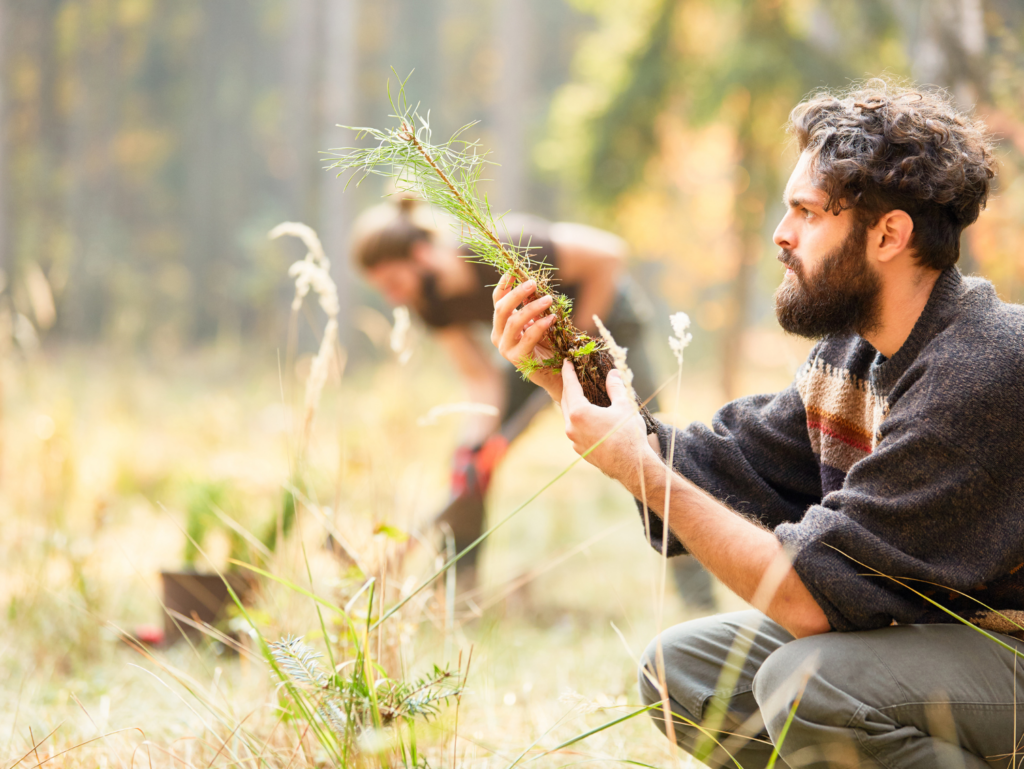
Career Pathways
The jobs listed below show how versatile our Environmental Humanities BA degree is, and how valuable our graduates are:
- Audubon Alaska’s Director of Conservation Science
- Campaign Organizer/Green Policy Advocate
- Community Development
- Environmental Director
- Conservation Biologist
- Conservation Director of the Sky Island Alliance
- Director of Prescott Creeks
- Director of Western Watersheds
- Project Ecologist, Author, and Lead Scientist at Earthwatch Institute

Career Planning
Our student success team works with you to map out a plan that works, for your goals and your life. There are many ways to get where you’re going, and we’ve seen it all!
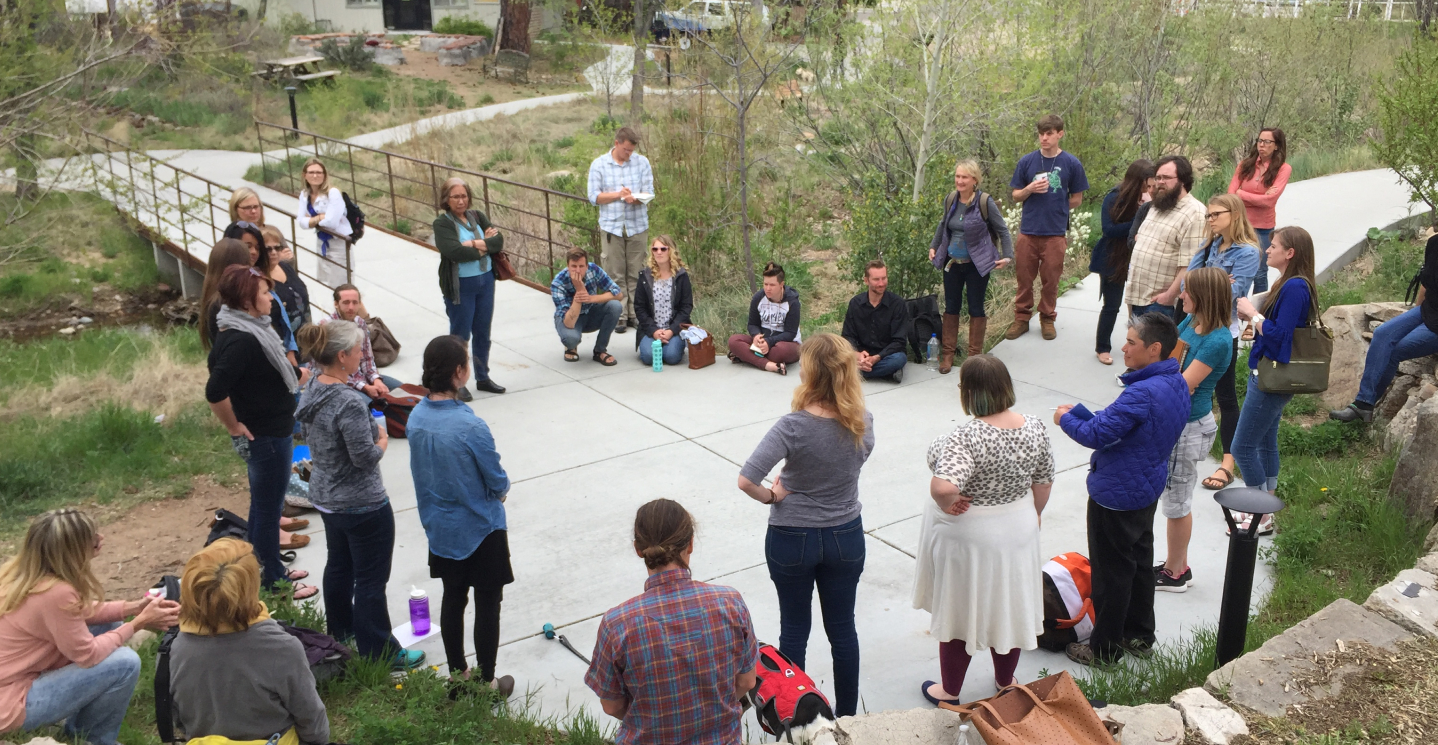
Are you interested in being part of our community?
One thing we all have in common is our passion – passion for helping others, passion for the environment, passion for social justice and a passion for a different kind of learning experience.